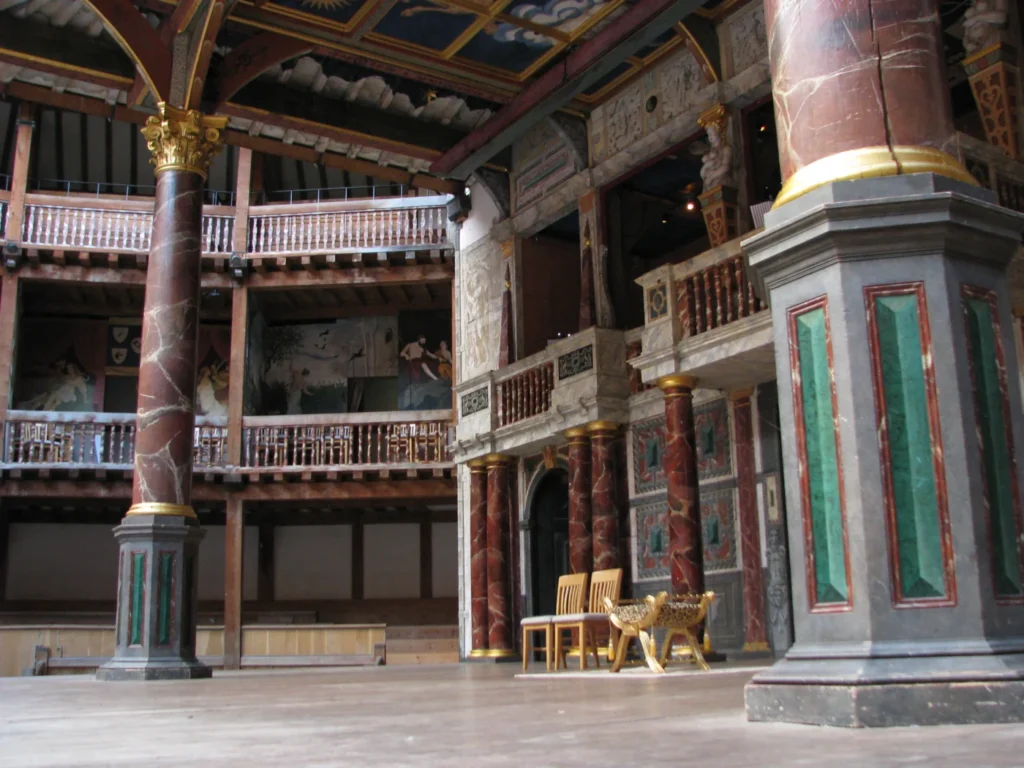
The opening act of Soliman and Perseda establishes the conflict between love, fortune and death that shapes the action of this early English tragedy.
For help reading the printed text, consult how to interpret an Elizabethan playbook.
Actus primus.
Enter Loue, Fortune, Death.
Loue.
WHat, Death and Fortune crosse the way of Loue?
For.
Why, what is Loue, but Fortunes tenis-ball?
Death.
Nay, what are you both, but subiects vnto Death?
And I commaund you to forbeare this place:
For heere the mouth of sad Melpomene,
Is wholy bent to tragedies discourse;
And what are Tragedies but acts of death?
Here meanes the wrathfull muse in seas of teares,
And lowd laments to tell a dismall tale:
A tale wherein she lately hath bestowed,
The huskie humour of her bloudy quill,
And now for tables takes her to her tung.
Loue.
Why thinkes Death, Loue knowes not the historie?
Of braue Erastus and his Rodian dame:
Twas I that made their harts consent to loue,
And therefore come I now as fittest person,
To serue for chorus to this Tragedie.
Had not I beene, they had not dyed so soone.
Death.
Had I not beene, they had not dyed so soone.
[gap in source] [gap in source]
For.
Nay then it seemes you both doo misse the marke,
Did not I change long loue to sudden hate?
And then rechange their hatred into loue:
And then from loue deliuer them to death?
Fortune is chorus. Loue and death be gone.
Death.
I tell thee Fortune, and thee wanton Loue,
I will not downe to euerlasting night,
Till I haue moralliz'd this Tragedy,
Whose cheefest actor was my sable dart.
Loue.
Nor will I vp into the brightsome sphere,
From whence I sprung, till in the chorus place,
I make it knowne to you and to the world,
What interest Loue hath in Tragedies.
For.
Nay then though Fortune haue delight in change,
Ile stay my flight, and cease to turne my wheele,
Till I haue showne by demonstration,
What intrest I haue in a Tragedie.
Tush, Fortune can doo more then Loue or Death.
Loue.
Why stay we then, lets giue the Actors leaue.
And as occasion serues, make our returne.
Exeunt.
Enter Erastus and Perseda.
Erast.
Why when Perseda wilt thou not assure me?
But shall I like a mastlesse ship at sea,
Goe euery way and not the way I would:
My loue hath lasted from mine infancie,
And still increased as I grew my selfe,
When did Perseda pastime in the streetes,
But her Erastus ouer-eied her sporte:
When didst thou with thy sampler in the Sunne,
Sit sowing with thy feres, but I was by
Marking thy lilly hands dexteritie:
Comparing it to twenty gratious things.
When didst thou sing a note that I could heare,
But I haue framde a dittie to the tune,
Figuring Perseda twenty kinde of waies.
When didst thou goe to Church on hollidaies,
But I haue waited on thee too and fro:
Marking my times as Faulcons watch their flight.
When I haue mist thee how haue I lamented,
As if my thoughts had bene assured true.
Thus in my youth, now since I grew a man,
I haue perseuered to let thee know,
The meaning of my true harts constancie:
Then be not nice Perseda as women woont,
To hasty louers whose fancy soone is fled:
My loue is of a long continuance,
And merites not a strangers recompence.
Per.
Enough Erastus thy Perseda knowes,
She whom thou wouldst haue thine, Erastus knowes,
Erast.
Nay my Perseda knowes, and then tis well.
Per.
I watch you vauntages, thine be it then,
I haue forgot the rest, but thats the effect:
Which to effect, accept this carkanet,
My Grandame on her death bed gaue it me,
And there, euen there I vow'd vnto my selfe,
To keepe the same vntill my wandring eye,
Should finde a harbour for my hart to dwell.
Euen in thy brest doo I elect my rest,
Let in my hart to keepe thine company.
Erast.
And sweet Perseda accept this ring,
To equall it, receiue my hart to boot,
It is no boot, for that was thine before?
And far more welcome is this change to me.
Then sunny daies to naked Sauages,
Or newes of pardon to a wretch condemde,
That waiteth for the fearefull stroke of death.
As carefull will I be to keepe this chaine,
As doth the mother keepe her children,
From waterpits, or falling in the fire.
Ouer mine armour will I hang this chaine,
And when long combat makes my body faint,
The sight of this shall shew Persedas name,
And ad fresh courage to my fainting limmes.
This day the eger Turke of Tripolis,
The Knight of Malta, hououred for his worth,
And he thats titled by the golden spurre.
The Moore vpon his hot barbarian horse,
The fiery Spaniard bearing in his face,
The empresse of a noble warriour.
The sudden Frenchman, and the bigbound Dane,
And English Arthers hardy men at armes,
Eclipped Lyons of the westerne worlde:
Eche one of these approued combatants,
Assembled from seuerall corners of the world,
Are hither come to try their force in armes,
In honor of the Prince of Cipris nuptials.
Amongst these worthies will Erastus troupe,
Though like a Gnatamongst a hiue of Bees:
Know me by this thy pretious carkanet,
And if I thriue, in valour as the glasse
That takes the Sun-beames burning with his force:
Ile be the glasse, and thou that heauenly Sun,
From whence Ile borrow what I do at chieue.
And sweet Perseda vnnoted though I be,
Thy beauty yet shall make me knowne ere night.
Per.
Yong slippes are neuer graft in windy daies,
Yong schollers neuer entered with the rod,
Ah my Erastus there are Europes Knights,
That carryhonour grauen in their helmes,
And they must winne it deere that winne it thence.
Let not my beauty prick thee to thy bane,
Better sit still then rise and ouer-tane.
Erast.
Counsell me not, for my intent is sworne,
And be my fortune as my loue deserues.
Per.
So be thy fortune as thy features serues.
And then Erastus liues without compare.
Enter a Messenger.
Here comes a Messenger to haste me hence,
I know your message, hath the Princesse sent for me?
Messen.
She hath, and desires you to consort her to the triumphes.
Enter Piston.
Piston.
Who saw my Master?
O sir, are you heeere?
The Prince and all the outlandish Gentlemen,
Are ready to goe to the triumphs, they stay for you.
Erast.
Goe sirra, bid my men bring my horse, and a dosen slaues.
Pist.
You shall haue your horses and two dosen of slaues.
Exit Piston.
Erast.
Wish me good hap Perseda and Ile winne
Such glory, as no time shall ere race out,
Or end the period of my youth in blood.
Per.
Such fortune as the good Andromache,
Wisht valiant Hector wounded with the Greekes,
I wish Erastus in his maiden warres.
Orecome with valour these high minded Knights,
As with thy vertue thou hast conquered me,
Heauens heare my harty praier and it effect.
Exeunt.
Enter Philippo, the Prince of Cipris, Basilisco, and all the Knights.
Phil.
Braue knights of Christendome, and turkish both,
Assembled he ere in thirsty honors cause,
To be enrolled in the brasse leaued booke,
Of neuer wasting perpetuitie.
Put Lambe-like mildenes to your Lyons strength,
And be our tilting like two brothers sportes,
That exercise their war with friendly blowes.
Braue Prince of Cipris, and our sonne in law,
Welcome these worthies by their seuerall countries,
For in thy honor hither are they come,
To grace thy nuptials with their deeds at armes.
Cipris.
First welcome thrise renowned Englishman,
Graced by thy country, but ten times more
By thy approued valour in the field,
Vpon the onset of the enemy,
What is thy motto when thou spurres thy horse.
Englishman.
In Scotland was I made a Knight at armes,
Where for my countries cause I chargde my Launce:
In France I tooke the Standard from the King,
And giue the flower of Gallia in my crest.
Against the light foote Irish haue I serued,
And in my skinne beare tokens of their skenes:
Our word of courage all the world hath heard,
Saint George for England, and saint George for me.
Cipris.
Like welcome vnto thee faire Knight of Fraunce,
Well famed thou art for discipline in warre,
Vpon the incounter of thine enemy,
What is thy mot renowned Knight of Fraunce.
French-man.
In Italie I put my knighthoode on,
Where in my shirt but with my single Rapier,
I combated a Romane much renownd,
His weapons point impoysoned for my bane,
And yet my starres did bode my victory,
Saint Denis is for France and that for me.
Cipris.
Welcome Castilian too amongst the rest,
Forfame doth sound thy valour with the rest:
Vpon thy first incounter of thy foe,
What is thy woord of courage braue man of Spaine?
Spaniard.
At fourteene yeeres of age was I made Knight,
When twenty thousand Spaniards were in field,
What time a daring Rutter made a challenge
To change a bullet with our swift flight shot,
And I with single heed and leuell hit,
The haughty challenger and strooke him dead.
The golden Fleece is that we cry vpon,
And Iaques, Iaques, is the Spaniards choice.
Cipris.
Next, welcome vnto thee renowned Turke,
Not for thy lay, but for thy worth in armes:
Vpon the first braue of thine enemy,
What is thy noted word of charge, braue Turke?
Bruser.
Against the Sophy in three pitched fields,
Vnder the conduct of great Soliman,
Haue I bene chiefe commaunder of an hoast,
And put the flint heart Perseans to the sword.
The desert plaines of Affricke haue I staind,
With blood of Moores, and there in three set battels fough[gap in source],
Marcht conquerour through Asia,
Along the coasts held by the Portinguze,
Euen to the verge of golde, aboording Spaine
Hath Brusor led a valiant troope of Turkes,
And made some Christians kneele to Mahomet:
Him we adore, and in his name I crie,
Mahomet for me and Solyman.
Cip.
Now Signeur Basilisco you we know,
And therefore giue not you a strangers welcome,
You are a Rutter borne in Germanie,
Vpon the first encounter of your foe:
What is your braue vpon the enemy?
Basi.
I fight not with my tongue, this is my Oratrix.
Laying his hand vpon his sword.
Cip.
Why Signeur Basilisco is ita she sword?
Basi.
I, and so are all blades with me: beholde my instance
Perdie, each female is the weaker vessell,
And the vigour of this arme infringeth,
The temper of any blade, quoth my assertion,
And thereby gather, that this blade beeing arprooued weaker than this lim, may very wel bear a feminine Epitheton.
Cip.
Tis well proued, but whats the word that glories your Countrey?
Basi.
Sooth to say, the earth is my Countrey,
As the aire to the fowle, or the marine moisture,
To the red guild fish: I repute my selfe no coward:
For humilitie shall mount. I keepe no table
To character my fore-passed conflicts.
As I remember, there happened a sore drought
In some part of Belgia, that the iucie grasse,
Was seared with the Sunne Gods Element.
I held it pollicie, to put the men children
Of that climate to the sword,
That the mothers teares might releeue the pearched earth.
The men died, the women wept, and the grasse grew,
Els had my Frize-land horse perished,
Whose losse would haue more grieued me,
Than the ruine of that whole Countrey.
Vpon a time in Ireland I fought,
On horsebacke with an hundred Kernes,
From Titans Easterne vprise, to his Westerne downe-fall:
Insomuch that my Steed began to faint:
I coniecturing the cause to be want of water, dismounted:
In which place there was no such Element,
Enraged therefore with this Semitor,
All on foote like an Herculian ofspring,
Endured some three or foure howers combat,
In which processe, my body distilled such dewy showers of swet,
That from the warlike wrinckles of my front,
My Palfray coold his thirst.
My mercy in conquest, is equall with my manhood in fight,
The teare of an infant, hath bin the ransome of a conquered cittie,
Whereby I purchased the surname of Pities adomant.
Rough wordes blowe my choller,
As the winde dooth Mulcibers worke house,
I haue no word, because no countrey,
Each place is my habitation,
Therefore each countries word mine to pronounce.
Princes, what would you?
I haue seene much, heard more, but done most,
To be briefe, hee that will try me, let him waft mee with his arme.
I am his, for some fiue launces.
Although it go against my starres to iest,
Yet to gratulate this beninge Prince,
I will suppresse my condition.
Phylip.
He is beholding to you greatly sir:
Mount ye braue Lordings, forwards to the tilt,
My selfe will censure of your chiualrie,
And with impartiall eyes behold your deedes,
Forward braue Ladies, place you to behold
The faire demeanor of these warlike Knights.
Exeunt.
Manet Basilisco.
Basi.
I am melancholy: an humor of Venus belegereth me.
I haue reiected with contemptable frownes,
The sweet glances of many amorous girles, or rather ladies:
But certes, I am now captiuated with the reflecting eye
Of that admirable comet Perseda.
I will place her to behold my triumphes,
And do woonders in hir sight,
O heauens, she comes, accompanied with a child,
Whose chin beares no impression of manhood,
Not an hayre, not an excrement.
Enter Erastus, Perseda, and Pystan.
Erast.
My sweet Perseda.
Exeunt Erastus and Perseda.
Basi.
Peace Infant thou blasphemest.
Pist.
You are deceiued sir, he swore not,
Basi.
I tell thee Iester he did worse, he cald that Ladie his,
Pist.
Iester: O extempore, o flores!
Basi.
O harsh vnedicate, illiterate pesant,
Thou abusest the phrase of the Latine.
Pist.
By gods fish friend, take you the Latins part, ile abuse you to.
Basi.
What saunce dread of our indignation?
Pist.
Saunce: what languidge is that?
I thinke thou art a worde maker by thine occupation.
Basi.
I, tearmest thou me of an occupation,
Nay then this fierie humor of choller is supprest,
By the thought of loue. Faire Ladie,
Pist.
Now by my troth she is gon.
Basi.
I, hath the Infant transported her hence,
He saw my anger figured in my brow,
And at his best aduantage stole away,
But I will follow for reuenge.
Pist.
Naye, but here you sir,
I must talke with you before you goe.
Then Piston gets on his back, and puls him downe.
Basi.
O if thou beest magnanimious, come before me.
Pist.
Naye, if thou beest a right warrior, get frō vnder me.
Bas.
What wouldst thou haue me a Typhon,
To beare vp Peleon or Ossa?
Pist.
Typhon me no Typhons,
But sweare vpon my Dudgin dagger,
Not to go till I giue thee leaue,
But stay with me, and looke vpon the tilters.
Bas.
O thou seekst thereby to dim my glory.
Pist.
I care not for that, wilt thou not sweare?
Bas.
O I sweare, I sweare.
He sweareth him on his Dagger.
Pist.
By the contents of this blade,
Bas.
By the contents of this blade,
Pist.
I the aforesaid Basilisco,
Bas.
I the aforesaid Basilisco,
Knight good fellow, knight, knight.
Pist.
Knaue good fellow, knaue, knaue.
Will not offer to go from the side of Piston.
Bas.
Will not offer to go from the side of Pyston,
Pist.
Without the leaue of the said Piston obtained,
Bas.
Without the leaue of the said Piston,
Licensed, obtayned and granted.
Pist.
Inioy thy life and liue, I giue it thee.
Bas.
I inioy my life at thy hands, I confesse it,
I am vp, but that I am religious in mine oath,
Pist.
What would you do sir, what would you do,
Will you vp the ladder sir, and see the tilting.
Then they go vp the ladders, and they sound within to the first course.
Bas.
Better a Dog fawne on me, then barke,
Pist.
Now sir, how likes thou this course.
Bas.
Their Launces were coucht to hie,
And their Steedes ill borne.
Pist.
It may be so, it may be so,
Sound to the second course.
Now sir, how like you this course.
Bas.
Prettie, prettie, but not famous,
Well for a learner, but not for a warriour.
Pist.
By my faith, me thought it was excellent.
Bas.
I in the eye of an infant, a Peacocks taile is glorious.
Sound to the third course.
Pist.
O well run, the baye horsse with the blew taile,
And the siluer knight, are both downe,
By Cocke and Pie, and Mouse foote,
The English man is a fine Knight.
Bas.
Now by the marble face of the Welkin,
Hee is a braue warriour.
Pist.
What an oath is there, fie vpon thee extortioner.
Bas.
Now comes in the infant that courts my mistresse,
Sound to the fourth course.
Oh that my launce were in my rest,
And my Beauer closd for this encounter.
Pist.
O well ran, my maister hath ouerthrown the Turke.
Bas.
Now fie vpon the Turke,
To be dismounted by a Childe it vexeth me.
Sound to the fift course.
Pist.
O wel run Maister, he hath ouerthrown the Frenchman.
Bas.
It is the fury of his horse, not the strength of his arme
I would thou wouldst remit my oath,
That I might assaile thy maister.
Pist.
I giue thee leaue, go to thy destruction,
But syrra wheres thy horse?
Bas.
Why my Page stands holding him by the bridle.
Pist.
Well goe mount thee, goe.
Bas.
I go, and Fortune guide my Launce.
Exit Basilisco.
Pist.
Take the braginst knaue in christendom with thee:
Trulie I am sorrie for him,
He iust like a knight, heele iustle like a Iade.
It it a world to heere the foole prate and brag,
He will iet as if it were a Goose on a greene:
He goes many times supperles to bed,
And yet he takes Phisick to make him leane.
Last night he was bidden to a Gentlewomans to supper,
And because he would not be put to carue,
He wore his hand in a scarfe, and said he was wounded:
He weares a coloured lath in his scabberd,
And when twas found vpon him, he said he was wrathfull,
He might not weare no iron. He weres Ciuet,
And when it was askt him, where he had that muske,
He said, all his kindred smelt so:
Is not this a counterfet foole?
Well ile vp and see how he speedes.
Sound the sixt course,
Now by the faith of a squire, he is a very faint knight,
Why my maister hath ouerthrowne him
And his Curtall, both to the ground,
I shall haue olde laughing,
It will be better then the Fox in the hole for me.
Sound: Enter Phylippo, Erastus, Ferdinando, Lucina, and all the Knights.
Cypr.
Braue Gentlemen, by all your free consents,
This Knight vnknowne, hath best demeand himselfe,
According to the proclimation made,
The prize and honor of the day is his,
But now vnmaske thy selfe, that we may see,
What warlike wrinckles time hath charactered,
With ages print vpon thy warlike face.
English.
Accord to his request, braue man at armes,
And let me see the face that vanquished me.
French.
Vnmaske thy selfe, thou well approoued knight.
Turke.
I long to see thy face braue warriour.
Luci.
Nay valiant sir, we may not be denide,
Faire Ladies should be coye to showe their faces,
Least that the sun should tan them with his beames,
Ile be your page this once, for to disarme you.
Pist.
Thats the reason, that he shall helpe
Your husband to arme his head,
Oh the pollicie of this age is wonderfull.
Phyllyp.
What young Erastus, is it possible?
Cipr.
Erastus be thou honoured for this deed.
English.
So yong, and of such good accomplishment,
Thriue faire beginner as this time doth promise,
In vertue, valour, and all worthinesse:
Giue me thy hand, I vowe my selfe thy friend.
Erast.
Thanks worthie sir, whose fauourable hand,
Hath entred such a youngling in the warre,
And thanks vnto you all, braue worthy sirs,
Impose me taske, how I may do you good,
Erastus will be dutifull in all.
Phyl.
Leaue protestations now, and let vs hie,
To tread lauolto, that is womens walke,
There spend we the remainder of the day,
Exeunt. Manet Ferdinando.
Ferdi.
Though ouerborne, and foyled in my course,
Yet haue I partners in mine infamie.
Tis wondrous, that so yong a toward warriour,
Should bide the shock of such approoued knights,
As he this day hath matcht and mated too,
But vertue should not enuie good desert,
Therefore Erastus happy, and thy fortune,
But my Lucina, how she changed her couler,
When at the encounter I did loose a stirrop,
Hanging her head as partner of my shame,
Therefore will I now goe visit her,
And please her with this Carcanet of worth,
Which by good fortune I haue found to day,
When valour failes, then gould must make the way.
Exit.
Enter Basilisco riding of a Mule.
Bas.
O cursed Fortune enemy to Fame,
Thus to disgrace thy honoured name,
By ouerthrowing him that far hath spred thy praise,
Beyond the course of Titans burning raies,
Enter Piston.
Page set a side the iesture of my enemie,
Giue him a Fidlers fee, and send him packing.
Pist.
Ho, God saue you sir, haue you burst your shin,
Bas.
I villaine, I haue broke my shin bone,
My back bone, my channell bone, and my thigh bone,
Beside two dossen small inferior bones.
Pist.
A shrewd losse by my faith sir,
But wheres your coursers taile.
Bas.
He lost the same in seruice.
Pist.
There was a hot piece of seruice, where he lost his taile
But how chance his nose is slit.
Bas.
For presumption, for couering the Emperors Mare.
Pist.
Marrie a foule fault, but why are his eares cut?
Bas.
For neighing in the Emperours Court.
Pist.
Why then thy Horse hath bin a Colt in his time,
Bas.
True, thou hast said.
O touch not the cheeke of my Palphrey,
Least he dismount me while my wounds are greene,
Page, run, bid the surgion bring his incision.
Yet stay ile ride along with thee my selfe.
Exit.
Pist.
And ile beare you companie,
Piston getteth vp on his Asse, and rideth with him to the doore, and meeteth the Cryer.
Enter the Cryer.
Pist.
Come sirra, let me see how finely youle cry this chaine
Cryer.
Why what was it worth?
Pist.
It was woorth more, then thou and all thy kin are worth,
Cryer.
It may be so, but what must he haue that findes it?
Pist.
Why a hundred Crownes.
Cryer.
Why then ile haue ten for the crying it.
Pist.
Ten Crownes, and had but six pence,
For crying a little wench of thirty yeares old & vpwards,
That had lost her selfe betwixt a tauerne & a baw die house.
Cryer.
I that was a wench, but this is Golde,
Shee was poore, but this is rich.
Pist.
Why then by this reckoning, a Hackneyman
Should haue ten shillings for horsing a Gentlewoman,
Where he hath but ten pence of a begger.
Cryer.
VVhy and reason good,
Let them paie, that best may,
As the Lawyers vse their rich Clyents,
VVhen they let the poore go vnder Forma pauperis.
Pist.
VVhy then I pray thee crie the Chaine for me,
Sub forma pauperis,
For money goes very low with me at this time.
Cryer.
I sir, but your maister is, though you be not.
Pist.
I but hee must not know
That thou cry est the Chaine for me,
I do but vse thee to saue me a labour,
That am to make inquirie after it,
Cry.
Well sir, youle see me considered, will you not?
Pist.
I marry will I, why what lighter paiment can there be, then consideration.
Cryer.
O yes.
Enter Erastus.
Erastus.
How now sirra, what are you crying?
Cryer.
A chaine sir, a chaine, that your man bad me crie.
Erastus.
Get you away sirra, I aduise you
Meddle with no Chaines of mine,
Exit Cryer.
You paltrie knaue, how durst thou be so bould,
To crie the chaine, when I bid thou shouldst not,
Did I not bid thee onely vnderhand,
Make priuie inquirie for it through the towne,
Least publike rumor might aduertise her,
Whose knowledge were to me a second death?
Pist.
Why would you haue me runne vp and downe the towne? and my shooes are doone.
Erast.
What you want in shooes, ile giue ye in blowes.
Pist.
I pray you sir hold your hands,
And as I am an honest man,
Ile do the best I can to finde your chaine.
Exit Piston.
Erast.
Ah treacherous Fortune, enemy to Loue,
Didst thou aduaunce me for my greater fall,
In dalying war, I lost my chiefest peace,
In hunting after praise, I lost my loue,
And in loues shipwrack will my life miscarrie,
Take thou the honor, and giue me the chaine,
Wherein was linkt the sum of my delight.
When she deliuered me the Carkanet,
Keepe it quoth she, as thou wouldst keepe my selfe:
I kept it not, and therefore she is lost,
And lost with hir is all my happinesse,
And losse of happines is worse then death.
Come therefore gentle death and ease my griefe,
Cut short what malice Fortune misintends,
But stay a while good Death, and let me liue,
Time may restore what Fortune tooke from me:
Ah no, great losses sildome are restord.
What if my Chaine shall neuer be restord,
My innocence shall cleare my negligence.
Ah! but my loue is cerimonious,
And lookes for iustice at her louers hand,
Within forst furrowes of her clowding brow,
As stormes that fall amid a sun shine day,
I read her iust desires, and my decay.
Exit.
Enter Solyman, Haleb, Amarath, and Janesaries,
Soly.
I long till Brusor be returnd from Rhodes,
To know how he hath borne him gainst the Christians,
That are assembled there to trie their valour,
But more to be well assured by him,
How Rhodes is fenc'd, and how I best may lay,
My neuer failing siege to win that plot,
For by the holy Alcaron I sweare,
Ile call my Souldiers home from Persia,
And let the Sophie breath, and from the Russian broiles
Call home my hardie, dauntlesse Ianisaries,
And from the other skirts of Christendome,
Call home my Bassowes and my men of war,
And so beleager Rhodes by sea and land.
That Key will serue to open all the gates,
Through which our passage cannot finde a stop,
Till it haue prickt the hart of Christendome,
Which now that paltrie Iland keepes from scath.
Say brother Amurath, and Haleb, say,
What thinke you of our resolution?
Amura.
Great Soliman, heauens onely substitute,
And earths commander vnder Mahomet:
So counsell I, as thou thy selfe hast said.
Haleb.
Pardon me dread Soueraigne, I hold it not
Good pollicie, to call your forces home
From Persea and Polonia, bending them
Vpon a paltrie Ile of small defence.
A common presse of base superfluous Turkes,
May soone beleuied for so slight a taske.
Ah Soliman, whose name hath shakt thy foes,
As withered leaues with Autume throwen downe,
Fog not thy glory with so fowle eclipse,
Let not thy Souldiers sound a base retire,
Till Persea stoope, and thou be conquerour.
What scandall were it to thy mightinesse,
After so many valiant Bassowes slaine,
Whose bloud hath bin manured to their earth,
Whose bones hath made their deepe waies passable.
To sound a homeward, dull, and harsh retreate,
Without a conquest, or a meane reuenge,
Striue not for Rhodes, by letting Persea slip,
The ones a Lyon almost brought to death,
Whose skin will counteruaile the hunters toile;
The other is a Waspe with threatning sting.
Whose Hunny is not worth the taking vp.
Amu.
Why Haleb didst thou not heare our brother sweare
Vpon the Alcaron religiously:
That: he would make an vniuersall Campe
Of all his scattered laegions: and darest thou
Infer a reason why it is not meete,
After his Highnes sweares it shall be so,
VVere it not thou art my fathers sonne,
And striuing kindnes wrestled not with ire,
I would not hence, till I had let thee know,
VVhat twere to thwart a Monarchs holy oath.
Haleb.
Why, his highnes gaue me leaue to speake my wil,
And far from flattery I spoke my minde,
And did discharge a faithfull subiects loue,
Thou Aristippus like didst flatter him,
Not like my brother, or a man of worth,
And for his highnesse vowe I crost it not,
But gaue my censure, as his highnesse bad,
Now for thy chastisment, know Amurath,
I scorne them as a rechlesse Lion scornes,
The humming of a gnat in Summers night,
Amur.
I take it Haleb thou art friend to Rhodes.
Haleb.
Not halfe so much am I a friend to Rhodes,
As thou art enemy to thy Soueraigne.
Amur.
I charge thee say wherein, or else by Mahomet,
Ile hazard dutie in my Soueraignes presence.
Haleb.
Not for thy threats, but for my selfe I say,
It is not meete, that one so base as thou,
Shouldst come about the person of a King.
Soli.
Must I giue aime to this presumption?
Amur.
Your Highnesse knowes, I speake in dutious loue.
Haleb.
Your Highnes knowes I spake at your command,
And to the purpose, far from flattery.
Amu.
Thinks thou I flatter, now I flatter not,
Then he kils Haleb.
Soli.
What dismall Planets guides this fatall hower,
Villaine, thy brothers grones do call for thee.
Then Soliman kils Amurath.
To wander with them through eternall night.
Amu.
Oh Soliman for louing thee I die,
Soli.
No Amurath, for murthering him thou dyest:
Oh Haleb how shall I begin to mourne,
Or how shall I begin to shed salt teares.
For whom no wordes nor teares can well suffice.
Ah that my rich imperiall Diadem,
Could satisfie thy cruell destinie:
Or that a thousand of our Turkish soules,
Or twenty thousand millious of our foes,
Could ransome thee from fell deaths tirannie,
To winthy life would Soliman be poore,
And liue in seruile bondage all my dayes,
Accursed Amurath, that for a worthlesse cause,
In bloud hath shortned our sweet Halebs dayes,
Ah what is dearer bond then brotherhood,
Yet Amurath thou wert my brother too,
If wilfull folly did not blind mine eyes,
I, I, and thou as vertuous as Haleb,
And I as deare to thee as vnto Haleb,
And thou as neere to me as Haleb was,
Ah Amurath: why wert thou so vnkind to him
For vttering but a th warting word?
And Haleb, why did not thy harts counsell,
Bridle the fond intemperance of thy tongue?
Nay wretched Solyman, why didst not thou
Withhould thy hand, from heaping bloud on bloud,
Might I not better spare one ioy then both,
If loue of Haleb forst me on to wrath,
Curst be that wrath that is the way to death,
If iustice forst me on, curst be that iustice
That makes the brother, Butcher of his brother,
Come Ianisaries, and helpe me to lament,
And beare my ioyes on either side of me:
I, late my ioyes, but now my lasting sorrow,
Thus, thus, let Soliman passe on his way,
Bearing in either hand his hearts decay.
Exeunt.
Enter Chorus.
Loue.
Now Death and Fortune which of all vs three,
Hath in the Actors showne the greatest power.
Haue not I taught Erastus and Perseda,
By mutuall tokens to seale vp their loues?
Fortune.
I but those tokens, the Ring and Carkanet,
Were Fortunes gifts, Loue giues no gould or iewels.
Loue.
Why what is iewels, or what is gould but earth,
An humor knit together by compression,
And by the worlds bright eye, first brought to light,
Onely to feed mens eyes with vaine delight.
Loues workes are more then of a mortall temper,
I couple minds together by consent.
Who gaue Rhodes Princes to the Ciprian Prince: but Loue.
For.
Fortune that first by chance brought them together,
For till by Fortune persons meete each other,
Thou canst not teach their eyes to wound their hearts.
Loue.
I made those Knights of seuerall sect and countries
Each one by armes to honor his beloued,
For.
Nay onealone to honor his beloued,
The rest by turning of my tickle wheele,
Came short in reaching of faire honors marke:
I gaue Erastus onely that dayes prize,
A sweete renowne, but mixt with bitter sorrow:
For in conclusion of his happines,
I made him loose the pretious Carcanet,
Whereon depended all his hope and ioy.
Death.
And more then so: for he that found the chaine,
Euen for that Chaine shall be depriued of life.
Loue.
Besides, Loue hath inforst a foole,
The fond Bragardo to presume to armes.
For.
I but thou seest how he was ouerthrowne.
By Fortunes high displeasure:
Death.
I and by Death had beene surprisd,
If Fates had giuen me leaue:
But what I mist in him and in the rest,
I did accomplish on Haleb and Amurath,
The worthie brethren of great Soliman,
But wherefore stay we, let the sequele prooue,
Who is greatest, Fortune, Death, or Loue.
Exeunt.
Text edition: EEBO-TCP A12578 (CC0 1.0). The introductory summary is editorial.