Summer’s Last Will and Testament — Part II
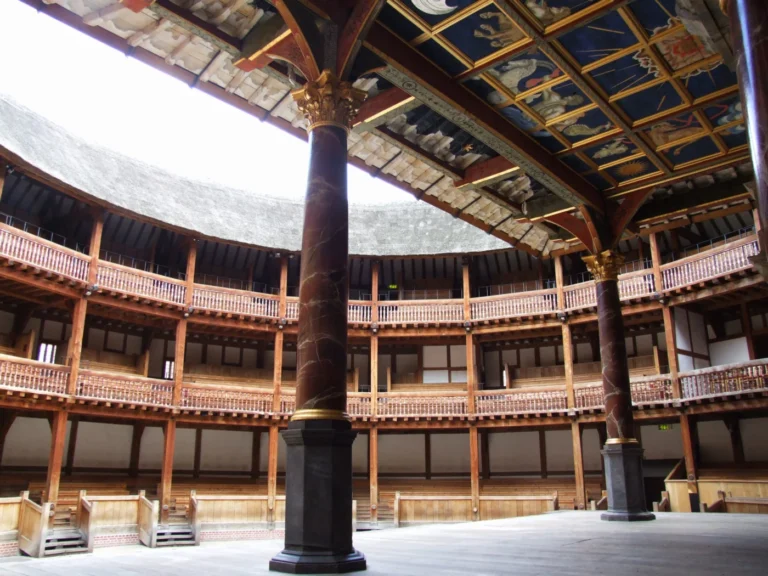
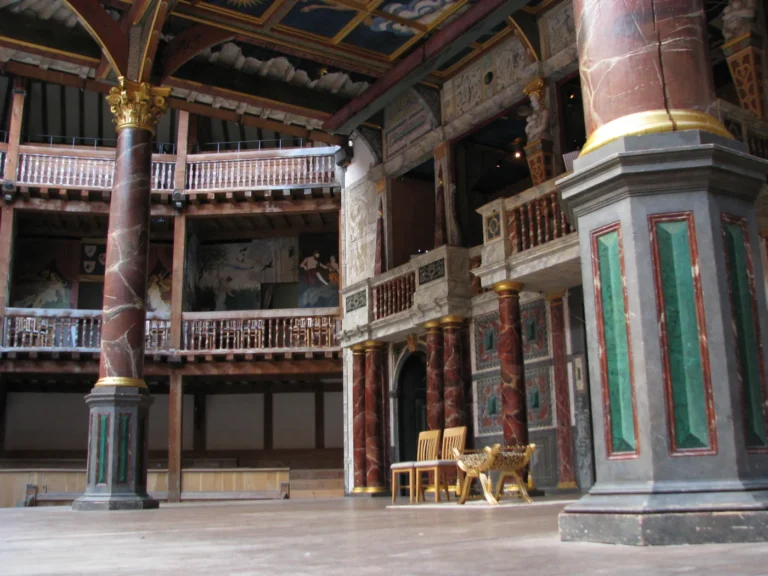
The later portion of Nashe’s entertainment continues the seasonal allegory and leads toward the conclusion and epilogue.
A literary collection
Read early modern drama, poetry, prose, classical translations and literary documents. Browse by subject or search for a particular work.
The later portion of Nashe’s entertainment continues the seasonal allegory and leads toward the conclusion and epilogue.
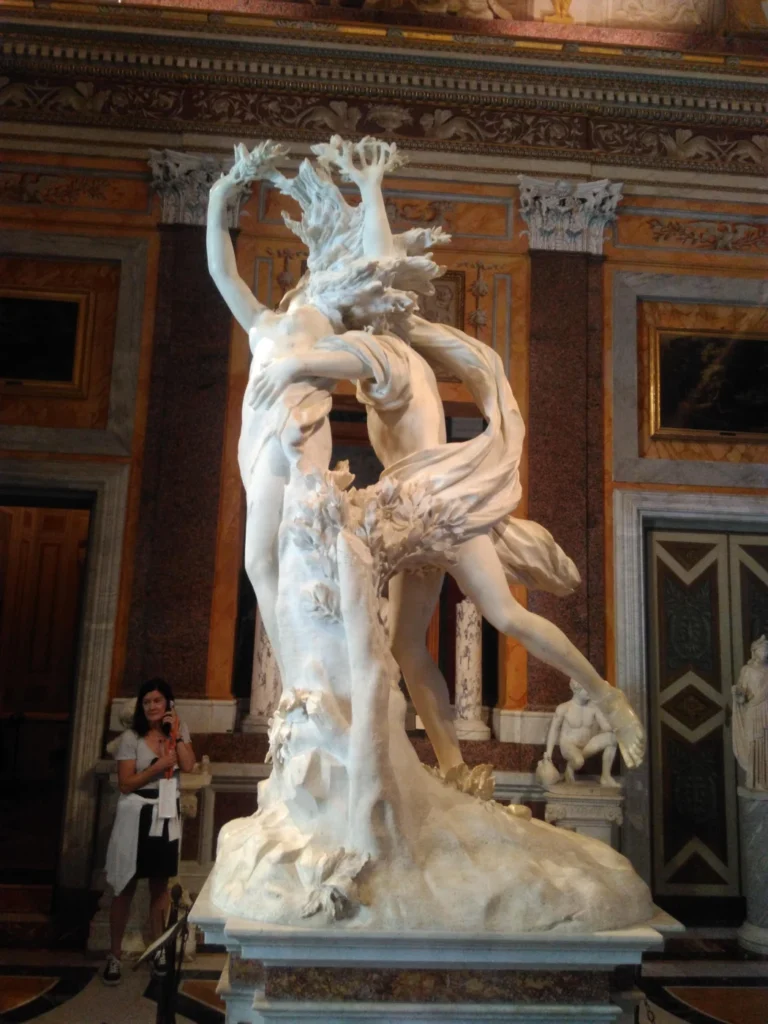
In Book VI of Ovid’s Metamorphoses, Arthur Golding’s English verse renders stories of artistic rivalry, punishment and transformation, including Arachne and Niobe.
Book XIV moves through the legendary travels of Aeneas and the early traditions of Italy and Rome, continuing Ovid’s sequence of transformations.
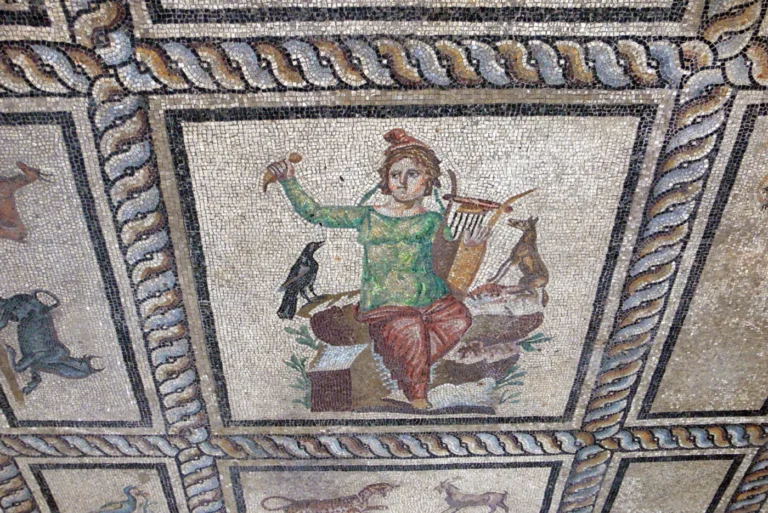
Book X follows Orpheus and the power of song through stories of love, loss and changing forms in Golding’s Renaissance translation.
The opening twenty poems of Thomas Watson’s Hekatompathia develop the conventions of passionate love through classical allusion and elaborate poetic forms.
Arthur Golding’s dedication and address to the reader introduce his English rendering of Ovid and explain the moral and literary value he finds in the ancient poem.
The next twenty poems continue Watson’s exploration of longing, emotional conflict and the literary inheritance of Renaissance love poetry.
This middle section develops the rivalries and emotional conflicts introduced in Soliman and Perseda, as the play moves toward its tragic resolution.
The opening act of Soliman and Perseda establishes the conflict between love, fortune and death that shapes the action of this early English tragedy.
Thomas Nashe’s opening sequence presents the seasons and their attendants in a mixture of allegory, wit, verse and theatrical entertainment.
John Lyly’s opening act of Endimion introduces the courtly and mythological setting of a play concerned with affection, ambition and transformation.
The opening portion of the anonymous Richard III play offers an early dramatic treatment of political ambition and instability in late medieval England.